
May 10 2026 | Miscellaneous | Sargents Equipment
.JPG)
Every material handler reaches a point where the question becomes unavoidable: do you rebuild the machine or keep running it until the wheels fall off then replace it?
That decision is not always simple, the rebuild-versus-replace decision should not be based on hours alone. Afterall it is a business decision that will either cost you or save you thousands of dollars. Using the machine’s condition, repair history, monthly maintenance cost, production value, and replacement cost will help you determine the best path forward.
There is no perfect hour meter number that applies to every machine, but many owners start seriously evaluating rebuild options once a material handler gets into the 15,000 to 20,000 hour range. Around this point, major components may begin reaching the end of their useful life, especially in demanding applications like scrap, recycling, waste handling, and demolition.
In many cases, owners may already be facing repairs or replacements for major items such as:
For some machines, those repairs happen one at a time over several years. For others, multiple major systems start showing wear around the same time. That is usually when it becomes important to step back and look at the full machine instead of continuing to fix one problem after another.
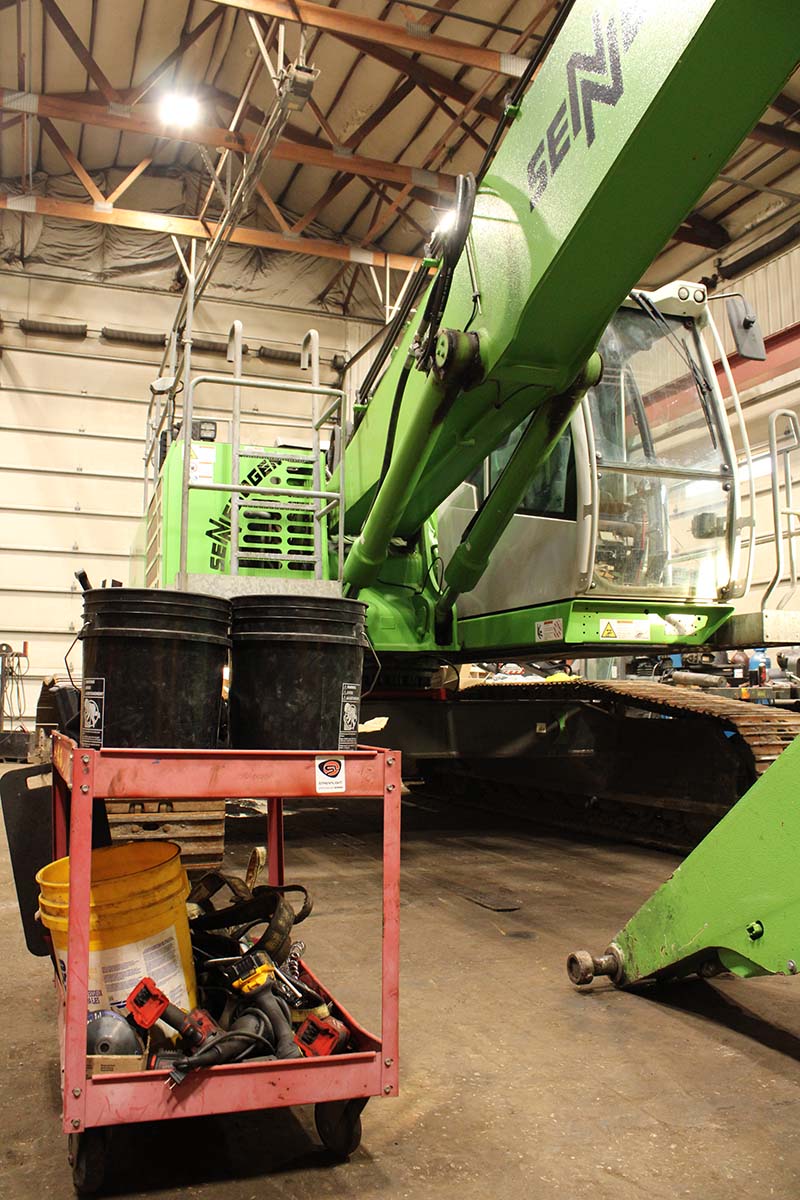
Running a machine into the ground can feel like the cheapest option in the short term. If the machine is paid off, it is easy to think every extra month of use is saving money.
Sometimes that is true. But not always.
If the machine is costing more in monthly maintenance and downtime than a payment on a newer or rebuilt machine, the math starts to change. A paid-off machine is not really “free” if it is constantly breaking down, burning excess fuel, leaking hydraulic oil, losing lifting power, or pulling technicians away from other work.
A material handler may be getting too expensive to keep patching if you are seeing issues like:
At that point, the decision is less about whether the machine still runs and more about whether it is still producing profitably.
The right answer depends on the machine, the operation, and the financial structure behind the equipment. A rebuild may make sense when the machine is still a good fit for your operation, the frame and structure are worth saving, and the cost of rebuilding is significantly less than replacing the machine. This is especially true if the machine is already set up the way you need it, your operators know it, and replacement equipment is expensive or needs extensive outfitting. Additionally, It can also make sense for leased machines near the end of their term. If the residual buyout is reasonable, purchasing the machine and rebuilding it can sometimes provide a lower-cost path to continued production compared to entering into a new lease or buying a replacement machine.
Replacement may make more sense when the machine has major structural issues, outdated capabilities, poor parts availability, or repair costs that are too close to the price of a newer machine.
Running the machine as-is may still be the right move if the machine has lower utilization, repairs are manageable, downtime does not heavily affect production, or the machine is nearing the end of its useful value and you are comfortable using it mainly for parts or backup work.
The key is to avoid making the decision reactively after a major failure. Once a machine is down and production is affected, your options become more limited and more expensive.
The rebuild-versus-replace decision is essentially a large math problem with a lot of variables.
Before making the call, owners should look at:
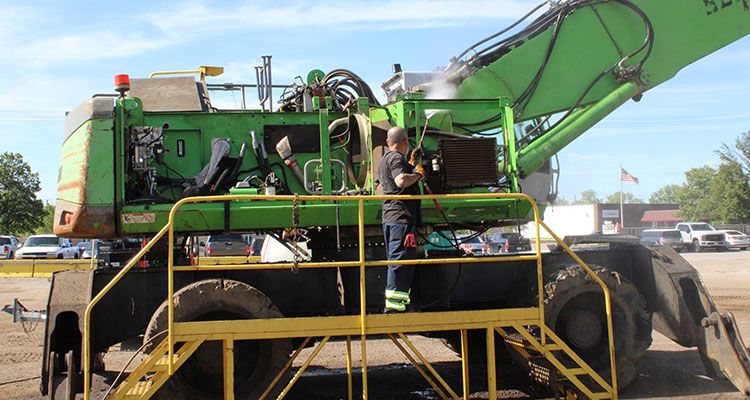
For example, if a paid-off material handler is costing $10,000 per month in repairs and downtime, both a rebuild or replacement are easier to justify. On the other hand, if the machine has strong bones, good maintenance history, and mainly needs major component work, rebuilding may provide a stronger return compared to buying new.
Another example, if a leased material handler has a reasonable buyout, strong maintenance history, and a setup that still fits your operation, rebuilding it after purchase may allow you to keep a productive machine in service for less than the cost of replacing it. If the residual cost is high and the machine needs significant work, the decision becomes more complicated. In that situation, the goal may not be choosing the cheapest option on paper, but finding the path that limits future losses while keeping the operation running. That could mean negotiating lease-end terms, completing a targeted repair plan instead of a full rebuild, buying out and rebuilding the machine if replacement costs are too high, or running the machine short-term while planning for replacement.
A proper rebuild decision starts with a full inspection. Hour meter readings can help, but they do not tell the whole story. A 20,000-hour machine with good maintenance records may be a better rebuild candidate than a 15,000-hour machine that has been neglected, overloaded, or run with hydraulic contamination. The inspection should look at the machine’s full condition, including the engine, hydraulics, cylinders, pins and bushings, boom and stick, swing system, undercarriage or tires, generator system, cab, safety components, structural areas, etc.
Maintenance records also matter. If a machine recently had major work completed, those repairs should be factored into the rebuild quote instead of automatically replacing components that still have useful life left. That can help reduce unnecessary costs and make the rebuild plan more accurate.
If your material handler has more than 17,000 hours, is showing extensive wear and tear, or is starting to require major repairs, it may be time to evaluate whether a rebuild makes sense. That does not mean every machine should be rebuilt. Some machines should be replaced. Some should be run until they are no longer worth repairing. But if the machine still has value to your operation, a rebuild inspection can help you make the decision with better information.
Your goal is simple: determine whether the machine has enough life left to justify the investment, or whether it is time to put that money toward replacement.
If your material handler is still important to your operation but starting to show its age, get an independent inspection and start to take note of the variables above to figure out which direction makes the most sense for your business.
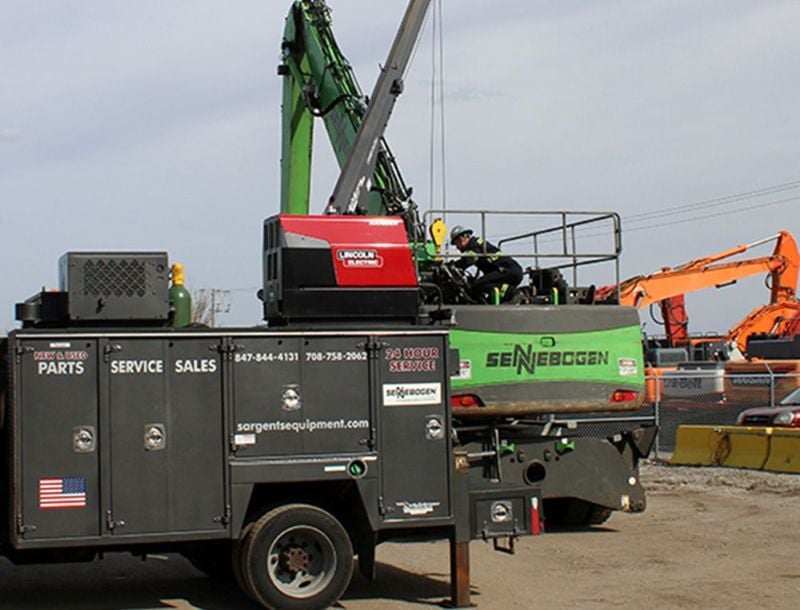
At Sargent’s Equipment, we can help you decide the best next step for your material handler, whether that means a full inspection, a machine rebuild, smaller component replacements, or practical repair recommendations. Before you keep putting more money into an aging machine, let our team help you understand the full condition of your equipment so you can make the best decision for your business.
Have a Sennebogen that might need a rebuild? Check out more information on our Sennebogen Second-Life Rebuild Program.