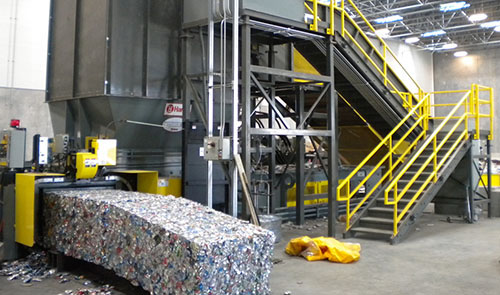
In the world of waste management and recycling, balers play a
crucial role in compressing materials for easier handling and
transportation. One of the key maintenance practices that ensure
these machines operate efficiently is the process of baler
relines. Understanding when it’s time for a reline, and knowing
how to handle the process, can save you time, money, and potential
major repairs down the road.
Why Baler Relines Matter
-
Enhanced Performance: Over time, the
liners within a baler can wear down due to constant friction and
pressure. Regular relining helps maintain optimal performance,
ensuring that the baler operates at peak efficiency.
-
Cost-Effectiveness: Investing in
timely relines can prevent more significant issues down the
line, such as mechanical failures or the need for complete
machine replacements.
-
Safety: Worn liners can lead to
malfunctions that pose safety risks to operators.
-
Quality of Bales: Properly lined
balers produce higher-quality bales, which can lead to better
market prices for recycled materials.
Signs that you May Need to Reline Your Baler
Recognizing the signs that your baler may need relining is crucial for
maintaining its efficiency and safety. Here are some indicators to
watch for:
-
Decreased Compression Efficiency: If your
baler isn't compressing materials as effectively as it used to, the
liners may be worn and need replacing. You might also need to reseal
the cylinder or replace main pumps if bale weights are off.
-
Increased Noise Levels: Unusual noises
during operation, such as grinding or banging sounds, can indicate
that the liners are damaged or misaligned, necessitating a relining.
-
Visible Wear and Tear: Regularly inspect
the liners for visible signs of wear, such as cracks, tears, or
significant abrasions. If you see any of these issues, it’s time to
consider a relining.
-
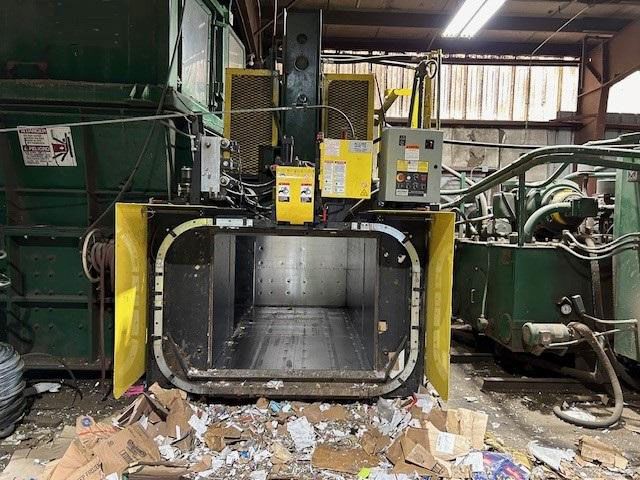
Ram Jam Issues: As liners wear down, large
gaps can form, allowing material to get under the ram and cause
jams.
-
Frequent Mechanical Failures: If your
baler is experiencing more frequent breakdowns or mechanical issues,
it could be due to worn liners affecting the overall performance of
the machine.
-
Poor Bale Quality: If the quality of the
bales produced has declined, with inconsistent sizes or shapes, it
may indicate that the liners are not functioning properly and need
to be replaced.
-
Worn Floor or Bottom Liners: Worn floor
liners or bottom liners under the gather ram head can lead to seal
damage in the gather cylinders. As the cylinders extend fully, the
gather head pulling the rod down can damage the guide bushing and
seals.
In some cases, the issue could be as simple as an adjustment to the
operational pressure. Whether it stems from your baler liner or
something else, being proactive ultimately saves time and costs
associated with more extensive repairs. To take the guesswork out of
the equation, Sargents Equipment can come out and sonic test the
thickness of your baler liners, letting you know exactly which ones
need replacing.
The Baler Relining Process
-
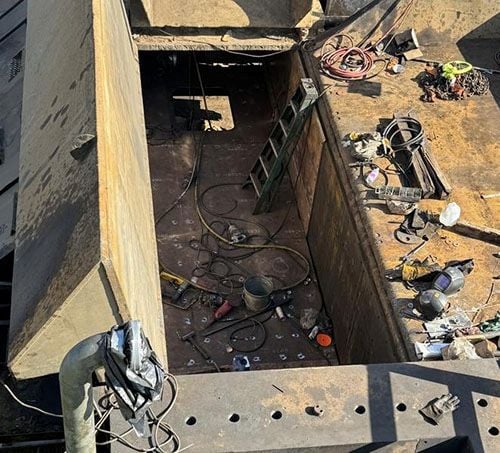
Assessment: The first step in the
relining process involves a thorough inspection of the baler.
Technicians evaluate the condition of the existing liners and
identify any additional wear or damage.
-
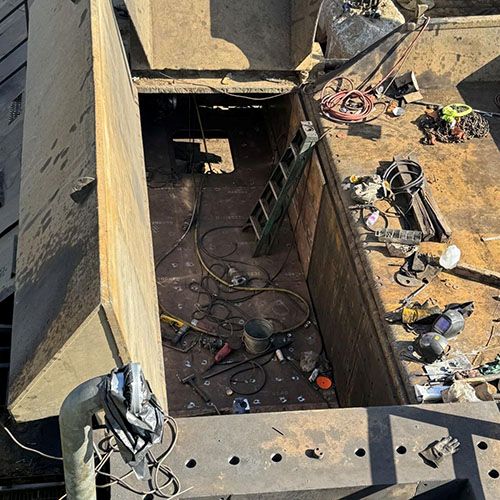
Removal: Once the assessment is
complete, the old liners are carefully removed. This step
requires precision to avoid damaging other components of the
baler.
-
Preparation: The baler is then cleaned
and prepared for the new liners. This may involve repairing any
underlying issues that could affect the performance of the new
liners.
-
Installation: New liners are
installed, ensuring they fit snugly and securely. This step is
critical, as improper installation can lead to further wear and
tear.
-
Testing: After installation, the baler
undergoes testing to ensure everything is functioning correctly.
This step helps identify any potential issues before the baler
is put back into operation.
-
Regular Maintenance: After the new
liner is installed and tested, regular inspections and
maintenance are important to ensure the baler continues to
operate efficiently. Routine checks help catch potential issues
early and extend the machine's lifespan.
When Is a Reline Not Enough?
While relining is often a solution, sometimes the baler can be beyond
repair. Watch out for:
-
Damage to Subflooring: If the baler’s
subfloor is compromised, further repairs may not be worth the cost.
-
Cracks in the Frame: Stress cracks in the
baler’s frame or bowing of the shear beam indicate significant
structural issues that could lead to failure.
-
Obsolete Components: If the main system
components are no longer available or are outdated, it may be more
economical to replace the entire baler rather than repair it
Its best to check with a trusted industry expert and get an opinion on
if major damages warrant repairs or a new baler entirely.
Back To All Blogs